


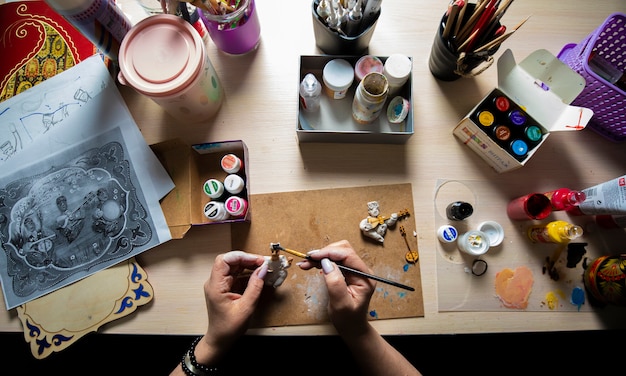
Handicrafts are more than just decorative items—they are a testament to human creativity, culture, and craftsmanship. From intricately woven textiles to hand-carved wooden sculptures, handicrafts represent the rich heritage of various communities around the world. These handcrafted works of art are not only beautiful but also embody centuries of tradition and skill passed down through generations. In today’s fast-paced, mass-produced world, handicrafts continue to offer a unique, personal touch that connects us to the past while celebrating creativity and individuality.
- Handicrafts as Cultural Heritage
Handicrafts are often deeply rooted in the traditions and customs of a particular region or community. They serve as a link between the past and the present, preserving the cultural heritage of a people. For example, Indian handloom textiles, such as saris and shawls, reflect the country’s rich history of weaving, dyeing, and embroidery techniques. Similarly, Mexican pottery and hand-painted ceramics showcase the vibrant colors and artistic flair of the country’s indigenous cultures. These crafts are not just items; they are symbols of identity, pride, and cultural continuity. By supporting and preserving handicrafts, we help keep these traditions alive and ensure that future generations can appreciate the artistry and craftsmanship of their ancestors.
- The Art of Handmade Craftsmanship
Handicrafts are a celebration of the artist’s skill and creativity. Unlike mass-produced goods, which often lack personality, handmade crafts carry the unique touch of their creator. Whether it’s a handwoven basket, a piece of pottery, or a hand-painted tapestry, each item tells a story of meticulous attention to detail and artistic expression. Craftsmanship is at the heart of handicrafts; it requires patience, expertise, and a deep understanding of materials. When we purchase or display handicrafts, we are not only acquiring a beautiful object but also supporting the work of artisans who pour their talent and passion into every piece.
- Sustainability and Ethical Consumption
In an era where sustainability is a growing concern, handicrafts offer an eco-friendly alternative to mass-produced items. Many handicrafts are made from natural, renewable materials such as wood, clay, cotton, and wool, often without the use of harmful chemicals or excessive energy. Additionally, handicrafts are typically produced in small batches, reducing waste and supporting local economies. By buying handicrafts, consumers are making a conscious choice to support ethical and sustainable practices. This, in turn, helps preserve traditional methods of production and promotes fair trade, ensuring that artisans receive fair compensation for their work.
- Handicrafts as Personalized Gifts
One of the enduring appeals of handicrafts is their personal, one-of-a-kind nature. Handcrafted items make thoughtful, meaningful gifts, as they carry a sense of uniqueness and individuality. Whether it’s a custom-made piece of jewelry, a handwoven rug, or a handcrafted wooden box, these gifts show that time and care have been taken to select something special. The personal touch that comes with a handicraft makes it a cherished keepsake, often more meaningful than mass-produced items. Handicrafts also carry a story with them, allowing the giver to share the history or cultural significance of the item, which further enhances the sentimental value.
- Supporting Local Artisans and Communities
When you purchase handicrafts, you’re not just buying a product—you’re supporting local artisans and their communities. Many artisans rely on the sale of their handmade goods to sustain their livelihoods, and by choosing handicrafts, consumers are contributing to the preservation of traditional arts and helping families maintain their economic independence. In remote and rural areas, handicrafts often provide a vital source of income and empowerment, especially for women and marginalized groups. By supporting handicrafts, we are investing in the future of artisans and their families, helping to ensure that traditional skills continue to thrive in a modern world.
Conclusion
Handicrafts are much more than decorative objects—they are a powerful expression of culture, creativity, and sustainability. By embracing handmade goods, we celebrate the artistry of skilled craftsmen and support the preservation of cultural traditions. In a world where mass production often leads to a loss of individuality, handicrafts offer a refreshing reminder of the beauty of craftsmanship and the importance of supporting ethical, sustainable practices. Whether as a gift, a personal treasure, or a way to preserve cultural heritage, handicrafts remain an enduring symbol of human creativity and ingenuity.